Seared Duck Breasts
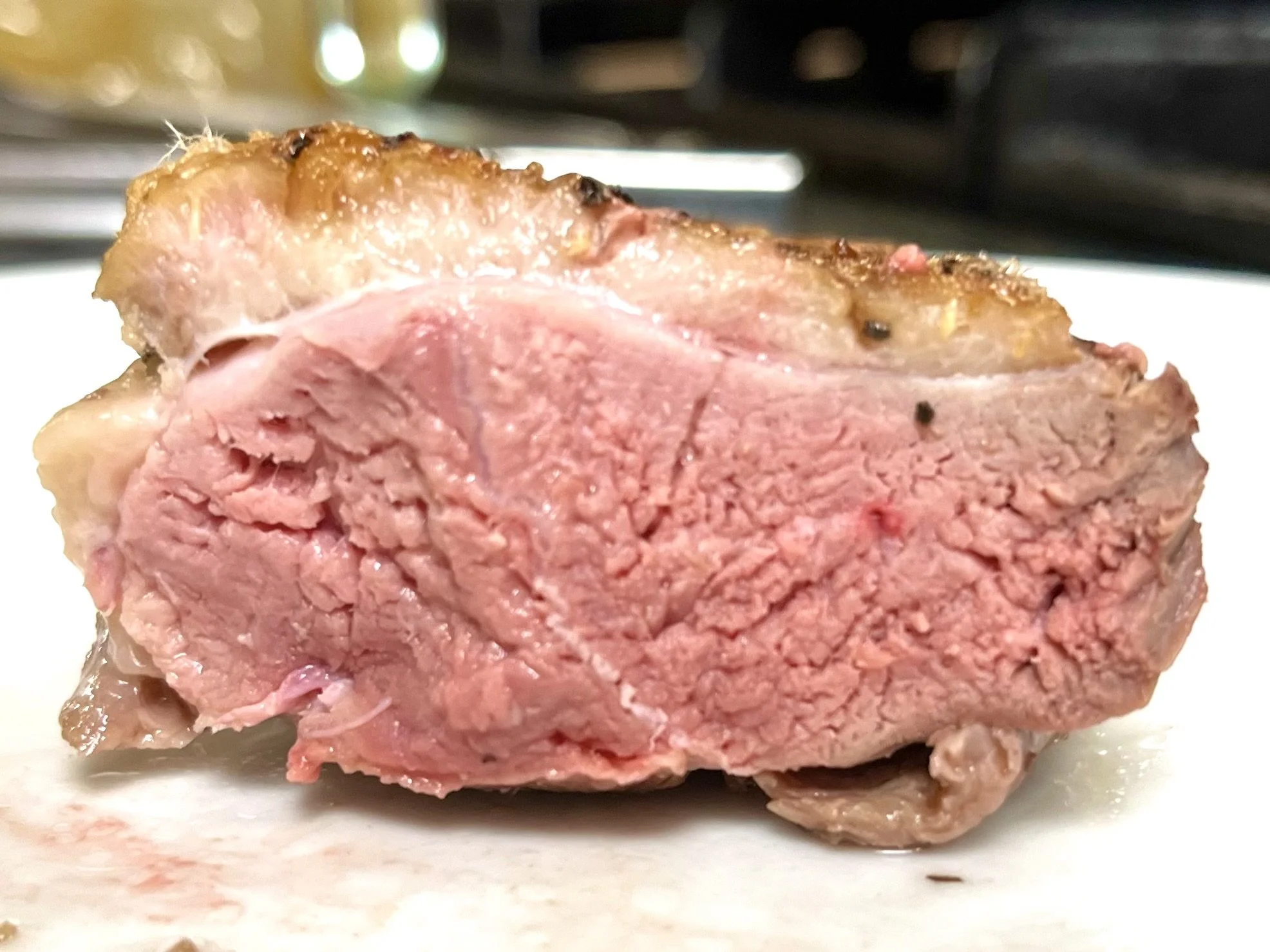
Pan-seared duck breasts. Easy or difficult?
I told the girls: easy.
The meat fries in the pan for 10-plus minutes, slowly rendering its own fat until the skin is golden brown. Then you flip it and cook to your desired doneness.
Of course, the devil is in the details.
Duck is forgiving, but only if you respect a few crucial steps.
First, score the skin in a crosshatch pattern, being careful not to cut into the meat. Sprinkle generously with salt and pepper, then rub the skin with a good amount of cornstarch. This is the difference between rubbery and shatteringly crisp.
Second, start the duck skin-side down in a cold pan over medium-low heat and let the fat slowly render out. The gradual render is what allows the meat to essentially fry in its own fat. Do not rush this step. The skin should turn deeply golden and crispy before flipping—usually 10–15 minutes.
Third, watch the temperature. Duck breast tastes best to me at medium, when the internal temperature does not exceed 140°F. Alternatively, after flipping, you can transfer the duck to a 350°F oven for 7–9 minutes, until it reaches your desired temperature.
Once rested, slice on the diagonal. The thin slices show off the rosy center and keep each bite tender.
Serve with something acidic—a sharp green salad, shaved fennel with lemon, or bitter greens with vinaigrette. The richness of the duck needs contrast.
Easy? Yes.
But only if you mind the details.
Links to two recipes I researched: James Beard Foundation, and Serious Eats